L’équitation est une activité riche en stimulations sensorielles. Le cheval, grâce à son poil, sa chaleur et ses mouvements, offre des stimulations vestibulaires, proprioceptives et tactiles, favorisant l’intégration sensorielle. La première étape consiste souvent à prendre soin du cheval : brosser sa robe, sa tête, ses jambes, ainsi que sa crinière et sa queue. Lorsque l’enfant commence à monter, il mobilise la tonicité de sa posture, son équilibre et ses coordinations motrices, renforçant ainsi son axe corporel, sa stabilité et sa mobilité. Sentir son corps en mouvement sur un être vivant contribue à affiner la conscience corporelle, la perception de soi et la spatialisation.
Le lien avec le cheval, être sensible et non verbal, sollicite la régulation émotionnelle, renforce la confiance en soi et favorise l’apaisement face à l’anxiété. En tant que médiateur, le cheval facilite la communication et les interactions, notamment pour les personnes confrontées à des difficultés sociales ou émotionnelles. Alliant plaisir, effort physique et apprentissages, l’équitation se révèle une activité complète et précieuse pour le développement psychomoteur.
Dans ma pratique, j’ai l’opportunité, une semaine sur deux, d’accompagner un groupe de quatre adolescents présentant une déficience intellectuelle et des troubles du comportement à une séance d’équitation. Cette activité se déroule en collaboration avec une éducatrice spécialisée et ma stagiaire, sous la supervision d’une professionnelle de l’équitation qui est également psychomotricienne de formation. Sa sensibilité au handicap et sa connaissance des besoins spécifiques des jeunes enrichissent considérablement cette expérience, qui allie plaisir, apprentissage et accompagnement thérapeutique.
Margaux Gaudin
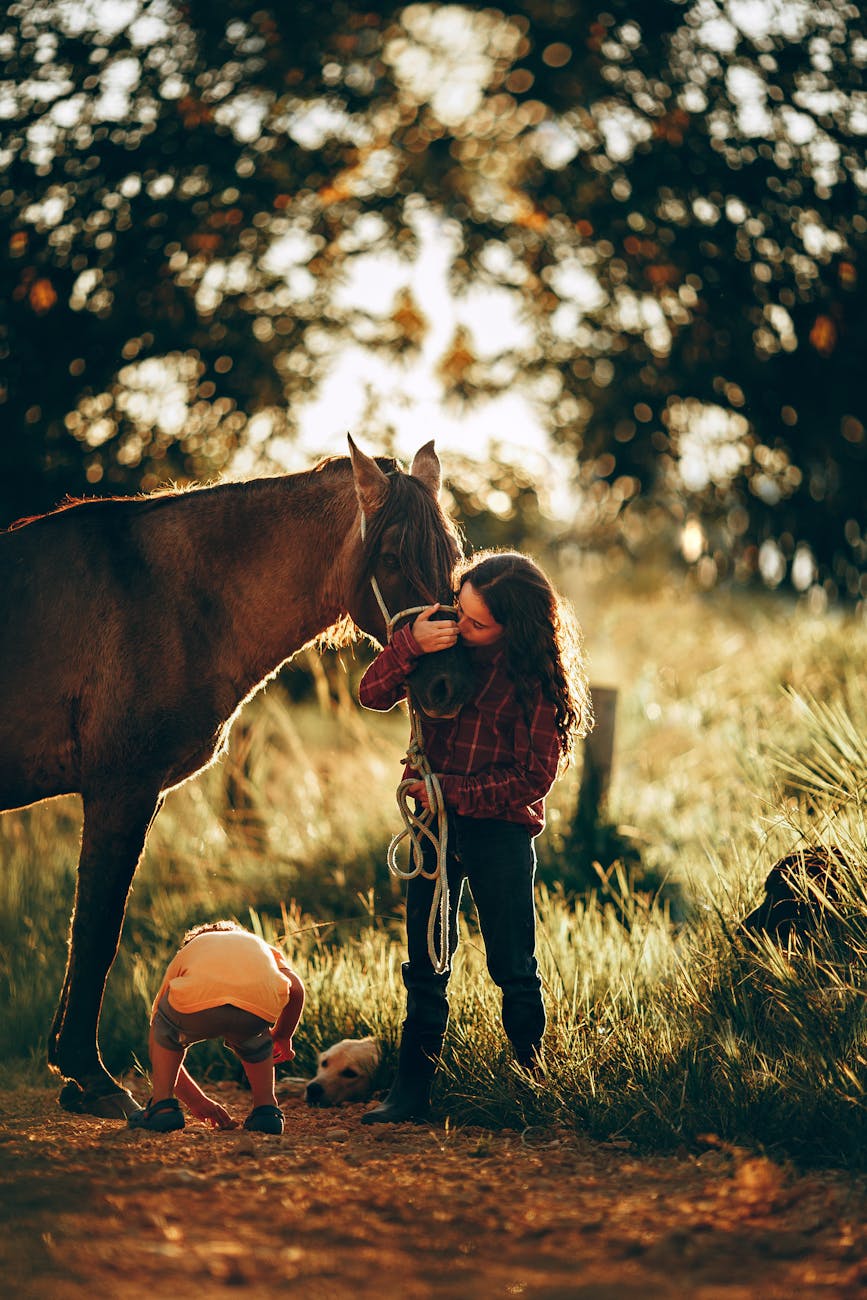
Equestrianism is an activity rich in sensory stimuli. The horse, with its coat, warmth, and movements, provides vestibular, proprioceptive, and tactile stimuli, promoting sensory integration. The first step often involves caring for the horse: brushing its coat, head, legs, as well as its mane and tail. When the child begins to ride, they engage their posture, balance, and motor coordination, strengthening their body axis, stability, and mobility. Feeling their body in motion on a living being helps refine body awareness, self-perception, and spatial orientation.
The bond with the horse, a sensitive and non-verbal being, encourages emotional regulation, enhances self-confidence, and promotes calm in the face of anxiety. As a mediator, the horse facilitates communication and interaction, especially for individuals facing social or emotional difficulties. Combining enjoyment, physical effort, and learning, equestrianism proves to be a complete and valuable activity for psychomotor development.
In my practice, I have the opportunity, every other week, to accompany a group of four adolescents with intellectual disabilities and behavioral disorders to an equestrian session. This activity is carried out in collaboration with a specialized educator and my intern, under the supervision of a professional equestrian who is also trained in psychomotor therapy. Her sensitivity to disabilities and her knowledge of the specific needs of the young people greatly enrich this experience, which combines enjoyment, learning, and therapeutic support.
Margaux Gaudin
LIVE PSYCHOMOT
Articles sur le développement psychomoteur
 LIVE PSYCHOMOT