Il suffit d’observer un jeune enfant quelques minutes pour voir à quel point l’imitation est au cœur de son développement. Il tape dans ses mains comme vous, répète un mot entendu, fait semblant de téléphoner en reprenant vos intonations. C’est une manière très active d’apprendre à être au monde, à comprendre les autres et à construire peu à peu sa propre façon d’agir.
Vers la fin de la première année, l’enfant commence à imiter de façon intentionnelle : il secoue un objet comme vous, tape sur la table, reproduit un geste qu’il a vu quelques instants plus tôt. Un peu plus tard, il devient capable d’imiter en différé, c’est-à-dire de rejouer une scène observée auparavant. C’est un tournant important, car cela signifie qu’il peut garder une trace en mémoire et s’en servir.
Imiter, ce n’est pas seulement reproduire à l’identique. L’enfant observe, trie, transforme. Quand il fait semblant de cuisiner ou de soigner une poupée, il ne copie pas simplement un adulte, il s’approprie une situation, il en comprend les grandes lignes et les adapte à son propre univers. C’est ainsi qu’il développe sa pensée, son langage, ses compétences sociales. En imitant, il expérimente les rôles, les émotions, les règles implicites de la vie quotidienne. Il apprend aussi à ajuster ses gestes, à coordonner son corps, à affiner sa motricité.
Du côté des parents, on sous-estime parfois l’impact de ces petites scènes du quotidien. Pourtant, chaque geste répété, chaque parole adressée, chaque manière de réagir devient un modèle. Il apprend autant de la façon dont on range, dont on s’adresse aux autres, dont on gère une frustration, que des consignes explicites. Cela peut être rassurant, mais aussi déstabilisant : on ne peut pas tout contrôler, et ce n’est pas nécessaire. L’important n’est pas d’être un modèle parfait, mais d’être suffisamment cohérent et disponible pour que l’enfant puisse s’appuyer sur ces repères.
Prendre le temps de faire avec l’enfant plutôt que de faire à sa place, commenter simplement ce que l’on fait, lui laisser l’occasion d’essayer, même si c’est maladroit, sont déjà des appuis précieux. Les jeux d’imitation émergent naturellement si l’environnement s’y prête : une cuillère, une poupée, une boîte à ouvrir et fermer suffisent souvent. L’enfant a surtout besoin de voir et de vivre les actions pour pouvoir ensuite les rejouer. À l’inverse, un enfant très exposé aux écrans aura plus de mal à imiter, car il lui manque l’expérience corporelle et relationnelle directe.
Il est aussi important de respecter le rythme de chacun. Certains enfants imitent beaucoup et très tôt, d’autres prennent plus de temps, observent longuement avant de se lancer. Cela ne traduit pas forcément une difficulté. Ce qui compte, c’est la progression, la diversité des imitations, la capacité à s’engager dans le jeu.
Enfin, il est intéressant de se rappeler que l’imitation fonctionne dans les deux sens. Lorsque le parent imite son enfant, reprend ses sons, ses gestes, ses rythmes, il lui envoie un message très fort : « je te vois, je te comprends, je m’ajuste à toi ». Ces moments de réciprocité nourrissent le lien, soutiennent l’attention partagée et donnent à l’enfant l’envie d’entrer dans l’échange. L’imitation devient alors un véritable langage commun, simple et puissant, au service du développement et de la relation.
Margaux Gaudin
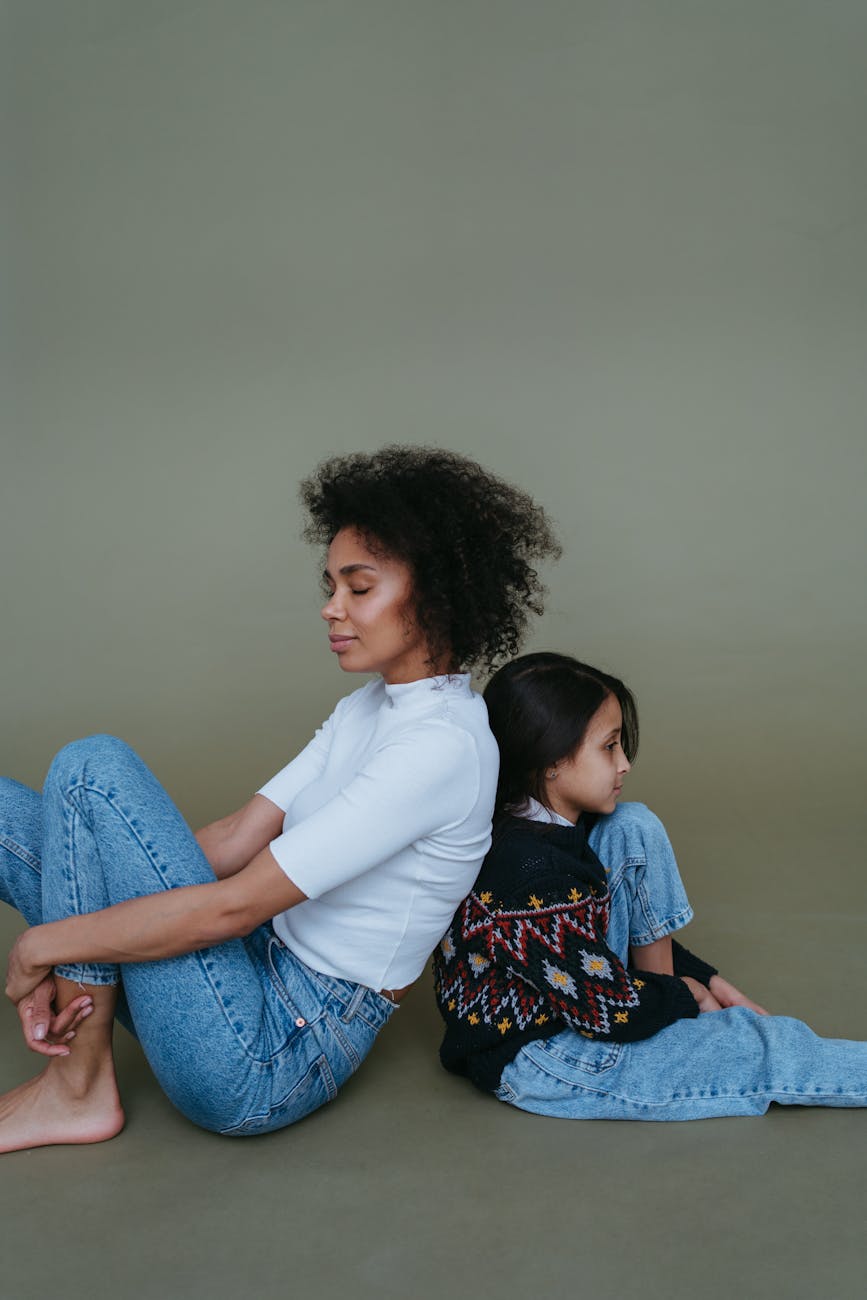
It only takes watching a young child for a few minutes to see how deeply imitation lies at the heart of development. They clap their hands like you, repeat a word they have heard, pretend to make a phone call while copying your tone of voice. It is a highly active way of learning how to be in the world, how to understand others, and how to gradually build their own way of acting.
Toward the end of the first year, the child begins to imitate intentionally: they shake an object like you, tap on the table, reproduce a gesture they saw a few moments earlier. A little later, they become capable of deferred imitation, meaning they can replay a scene they observed earlier. This is an important turning point, because it means they can keep an experience in memory and use it later.
Imitating is not simply reproducing something exactly. The child observes, sorts, and transforms. When they pretend to cook or care for a doll, they are not merely copying an adult—they are making the situation their own, understanding its main features, and adapting it to their own world. This is how they develop their thinking, language, and social skills. Through imitation, they experiment with roles, emotions, and the unspoken rules of daily life. They also learn to adjust their movements, coordinate their body, and refine their motor skills.
From the parents’ side, the impact of these small everyday scenes is sometimes underestimated. Yet every repeated gesture, every word spoken, every way of reacting becomes a model. The child learns as much from the way we tidy up, speak to others, or manage frustration as from explicit instructions. This can be reassuring, but also unsettling: we cannot control everything, and it is not necessary. What matters is not being a perfect model, but being consistent and available enough for the child to rely on these reference points.
Taking the time to do things with the child rather than in their place, simply commenting on what you are doing, and giving them the chance to try—even if it is clumsy—are already valuable supports. Imitation games naturally emerge when the environment allows for them: a spoon, a doll, a box to open and close are often enough. Above all, the child needs to see and experience actions in order to replay them later. By contrast, a child who is heavily exposed to screens may find imitation more difficult, because they lack direct bodily and relational experiences.
It is also important to respect each child’s rhythm. Some children imitate a lot and very early, while others take more time, observing for a long while before they begin. This does not necessarily indicate a difficulty. What matters is progress, the variety of imitations, and the ability to engage in play.
Finally, it is worth remembering that imitation works both ways. When a parent imitates their child—echoing their sounds, gestures, and rhythms—they send a powerful message: “I see you, I understand you, I adjust to you.” These moments of reciprocity nurture the bond, support shared attention, and give the child the desire to enter into interaction. Imitation then becomes a true shared language, simple and powerful, serving both development and relationship.
Margaux Gaudin
LIVE PSYCHOMOT
Articles sur le développement psychomoteur

