À 3 ans, l’enfant est en pleine construction de son équilibre et de sa coordination. Son corps explore, teste, ajuste en permanence. Les jeux sensoriels sont particulièrement adaptés à cet âge, car ils sollicitent à la fois le corps, les sens et l’attention, tout en restant ludiques.
L’équilibre ne dépend pas uniquement des muscles. Il repose aussi sur les informations sensorielles que l’enfant reçoit à travers ses pieds, ses yeux, son oreille interne et son toucher. Plus ces informations sont variées, plus l’enfant apprend à ajuster sa posture.
Marcher pieds nus sur différentes textures (tapis, coussin, sable, herbe) permet de stimuler la sensibilité plantaire et d’améliorer la stabilité. Ces expériences aident l’enfant à prendre conscience de son corps dans l’espace.
Les jeux d’équilibre simples, comme marcher sur une ligne, monter sur un petit banc ou se tenir sur un coussin mou, sollicitent le système vestibulaire, essentiel à l’équilibre. L’enfant apprend à gérer les déséquilibres sans crainte.
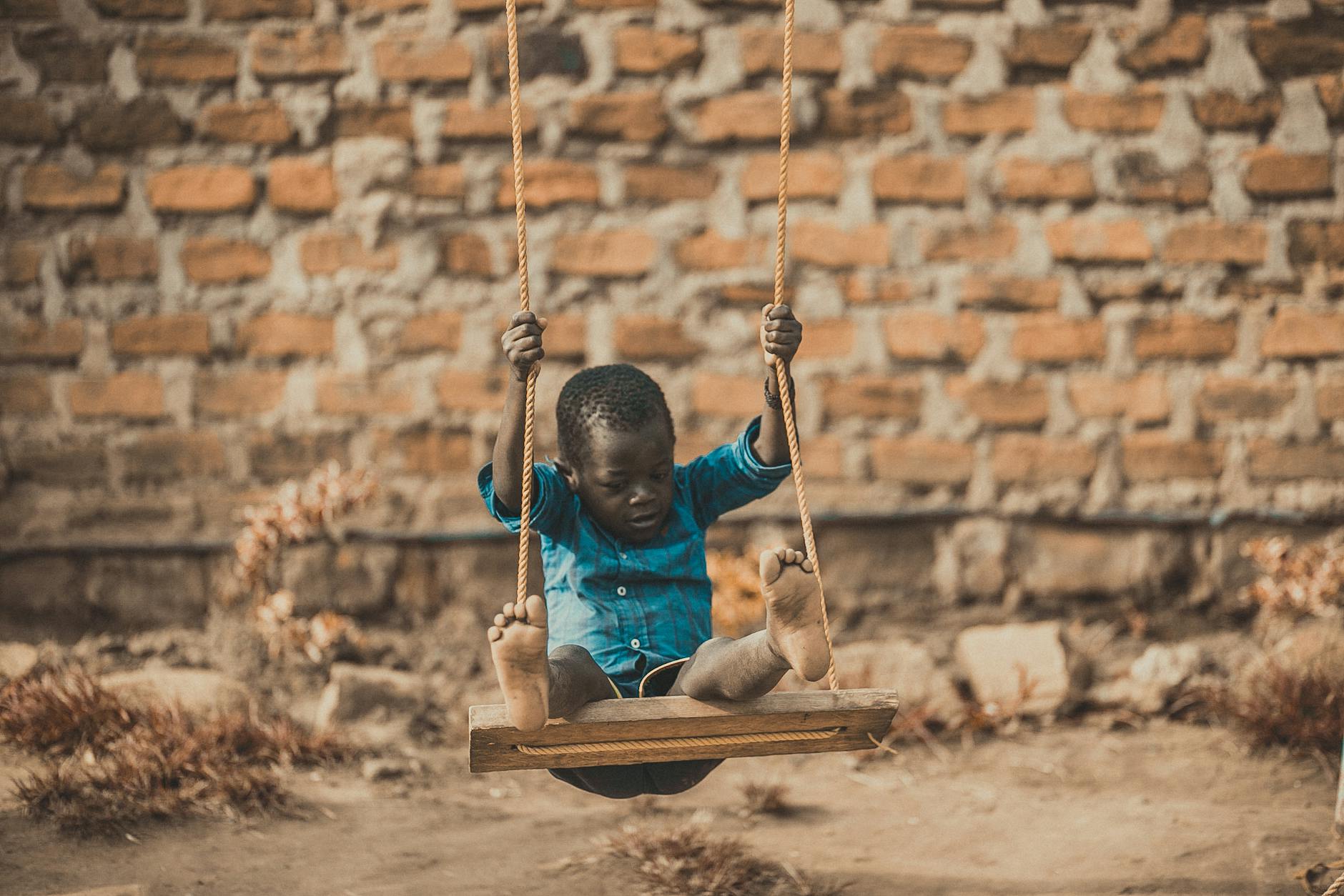
Les jeux de balancement, de roulade ou de rotation douce apportent également des sensations corporelles riches, favorisant l’ajustement postural et la confiance corporelle.
À travers le jeu sensoriel, l’enfant développe sa sécurité intérieure. Il ose davantage bouger, essayer et recommencer. Ces expériences renforcent non seulement l’équilibre, mais aussi la confiance en soi et l’autonomie.
Proposer régulièrement des jeux sensoriels adaptés permet donc de soutenir le développement psychomoteur global de l’enfant de 3 ans, dans le plaisir et le respect de son rythme.
Marion Bonvarlet
At the age of 3, a child is actively building balance and coordination. Their body is constantly exploring, testing, and adjusting. Sensory play is particularly well suited to this age, as it engages the body, the senses, and attention, while remaining playful and motivating.
Balance does not rely only on muscles. It also depends on the sensory information the child receives through their feet, eyes, inner ear, and sense of touch. The more varied these inputs are, the better the child learns to adjust their posture.
Walking barefoot on different textures (mats, cushions, sand, grass) helps stimulate plantar sensory awareness and improve stability. These experiences support the child in becoming aware of their body in space.
Simple balance games, such as walking along a line, climbing onto a small bench, or standing on a soft cushion, stimulate the vestibular system, which is essential for balance. The child learns to manage imbalance without fear.
Swinging, rolling, or gentle spinning games also provide rich bodily sensations, supporting postural adjustment and bodily confidence.
Through sensory play, the child develops inner security. They become more willing to move, try, and try again. These experiences strengthen not only balance, but also self-confidence and autonomy.
Regularly offering age-appropriate sensory games helps support the overall psychomotor development of a 3-year-old child, in a playful way and with respect for their individual rhythm.
Marion Bonvarlet
LIVE PSYCHOMOT
Articles sur le développement psychomoteur
 LIVE PSYCHOMOT