Après une consultation ce lundi avec un petit bébé, je trouvais intéressant de parler des limites du corps et de la construction du soi, du “je”, de la personne unique que tout un chacun devient au cours de son développement. Dans la psychologie du bébé, il est tout d’abord admis que sa propre personne se confond avec les personnes qui l’entourent et notamment son papa et sa maman et donc par conséquent il n’a pas de distinction claire entre les limites de son corps propre, de celui qui est à côté de lui, de l’espace qui l’entoure (côté plutôt corporel) ni de sa propre pensée, du soi en tant qu’humain (côté plutôt psychique).
Il y a toute une gamme de mécanismes qui permettent la progression de cette construction mais pour revenir à la consultation de ce matin, je voudrais insister sur l’importance de passer du temps au tapis (d’éveil) : sur le tapis, le bébé sent plus clairement les limites de son propre corps, sur le ventre puis sur le dos puis de nouveau sur le ventre et même sur un côté puis sur l’autre côté, quelle découverte et quel plaisir de ressentir pleinement son corps et la barrière de la peau, molle au niveau des cuisses, dure au niveau des os, parfois dure parfois molle au niveau du ventre. Il comprend petit à petit comment il est construit, quelle partie du corps est placée à tel ou tel endroit, au-delà du plaisir de se mouvoir il apprend donc à construire entre autre son schéma corporel (représentation de son corps). Le tapis est donc un super outil pour commencer à développer le “soi”.
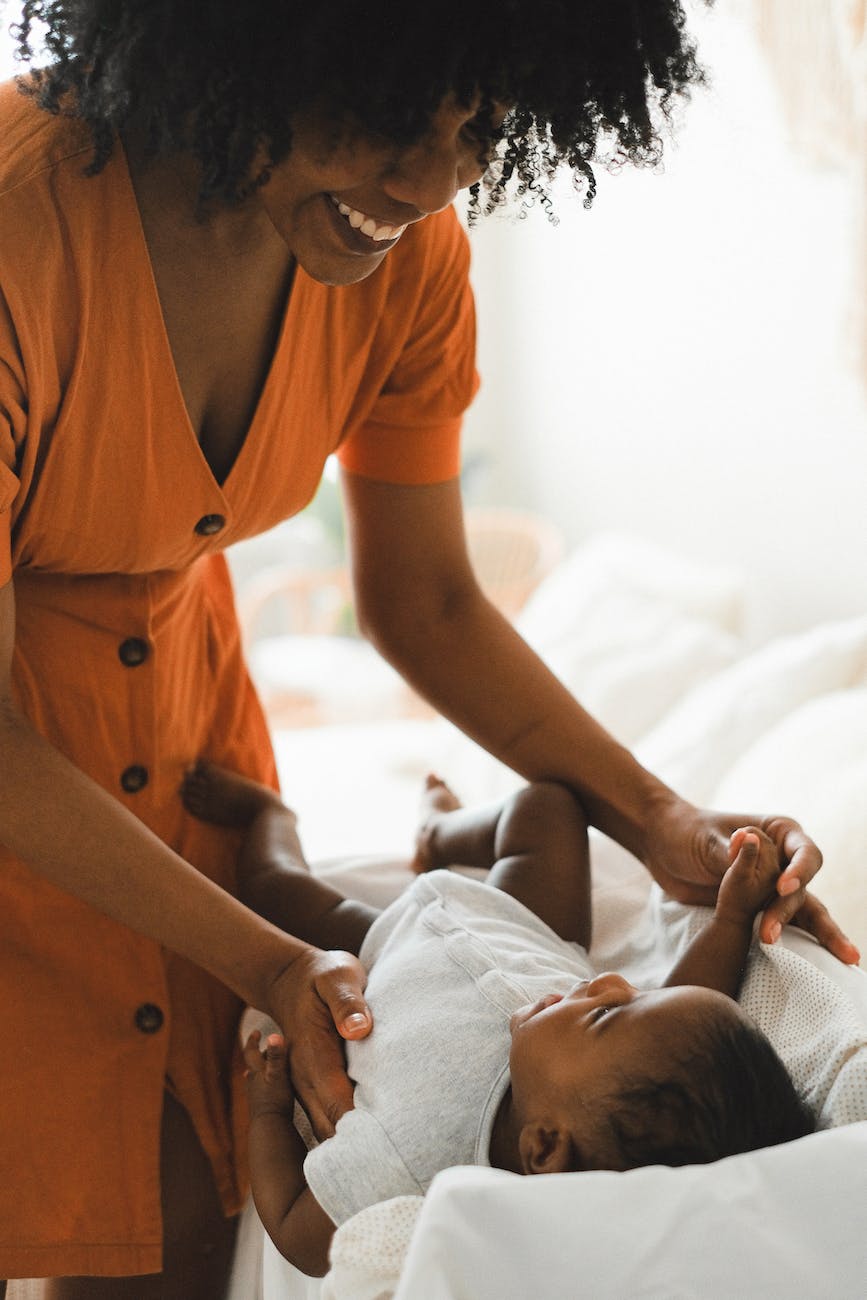
After a consultation this Monday with a little baby, I found it interesting to talk about the limits of the body and the construction of the self, the « I », the unique person that everyone becomes during their development. In baby psychology, it is first acknowledged that one’s own person merges with the people around them, notably their mom and dad, and consequently there is no clear distinction between the boundaries of their own body, that of the person next to them, the space around them (more on the bodily side), or their own thoughts, the self as a human (more on the psychological side).
There is a whole range of mechanisms that facilitate the progression of this construction, but returning to this morning’s consultation, I would like to emphasize the importance of spending time on the mat (play mat): on the mat, the baby can more clearly feel the boundaries of their own body, on their stomach then on their back, then again on their stomach, and even on one side and then the other side – what a discovery and what pleasure to fully feel their body and the barrier of the skin, soft on the thighs, hard on the bones, sometimes hard sometimes soft on the stomach. They gradually understand how they are built, which part of the body is placed where, beyond the pleasure of moving, they learn to build, among other things, their body schema (representation of their body). So, the mat is a great tool to start developing the « self ».
Marion Bonvarlet
LIVE PSYCHOMOT
Articles sur le développement psychomoteur
 LIVE PSYCHOMOT