Le développement psychomoteur désigne l’ensemble des acquisitions motrices, cognitives, affectives et sensorielles qui permettent à l’enfant d’agir avec son corps dans l’espace et de s’adapter à son environnement. Ce processus global englobe différentes étapes fondamentales :
- La motricité globale : Elle inclut les grands mouvements du corps, tels que redresser la tête, se retourner, ramper, s’asseoir, marcher à quatre pattes, se mettre debout en chevalier servant et enfin marcher de manière autonome.
- Le contrôle postural et l’équilibre : L’enfant apprend à stabiliser son corps, d’abord en position assise, puis debout, jusqu’à marcher sans appui. Par la suite, il acquiert des compétences plus complexes comme courir, sauter, grimper ou pédaler.
- La coordination oculo-manuelle : Cette capacité permet à l’enfant de coordonner ses mouvements manuels avec ce qu’il voit. Elle est cruciale pour des activités telles que lancer et attraper une balle, écrire, dessiner ou jouer à des jeux de construction.
- La latéralisation : Progressivement, l’enfant développe une préférence pour l’utilisation d’un côté de son corps (main, pied, œil). Cette latéralisation est importante pour la précision et la coordination des mouvements.
- La motricité fine : L’enfant commence par saisir des objets avec la paume, puis les passe d’une main à l’autre. Plus tard, il acquiert la pince fine (pouce-index) pour manipuler de petits objets, dessiner, écrire, découper ou encore s’habiller seul.
- Le développement cognitif et affectif : En parallèle de la motricité, l’enfant développe ses fonctions mentales telles que la mémoire, l’attention, la capacité à planifier et résoudre des problèmes. Il apprend aussi à réguler ses émotions et à interagir avec les autres, intégrant progressivement les règles sociales.
- Le développement sensoriel : Dès la naissance, les sens (vue, toucher, audition, etc.) sont sollicités. L’enfant apprend à coordonner et ajuster ses mouvements avec ses perceptions et sensations.
Le développement psychomoteur ne se limite pas aux compétences motrices. Il reflète aussi l’interaction entre le corps et l’esprit. Chaque enfant évolue à son propre rythme (cf. La lenteur), et il est essentiel de respecter cette variabilité tout en restant vigilant aux éventuels retards qui pourraient nécessiter un accompagnement particulier.
Le rôle du psychomotricien est justement de soutenir les enfants rencontrant des difficultés et de favoriser un développement harmonieux. Cet accompagnement se fait à travers des jeux, des activités corporelles et des exercices adaptés, permettant à l’enfant de progresser tout en s’amusant.
Margaux Gaudin
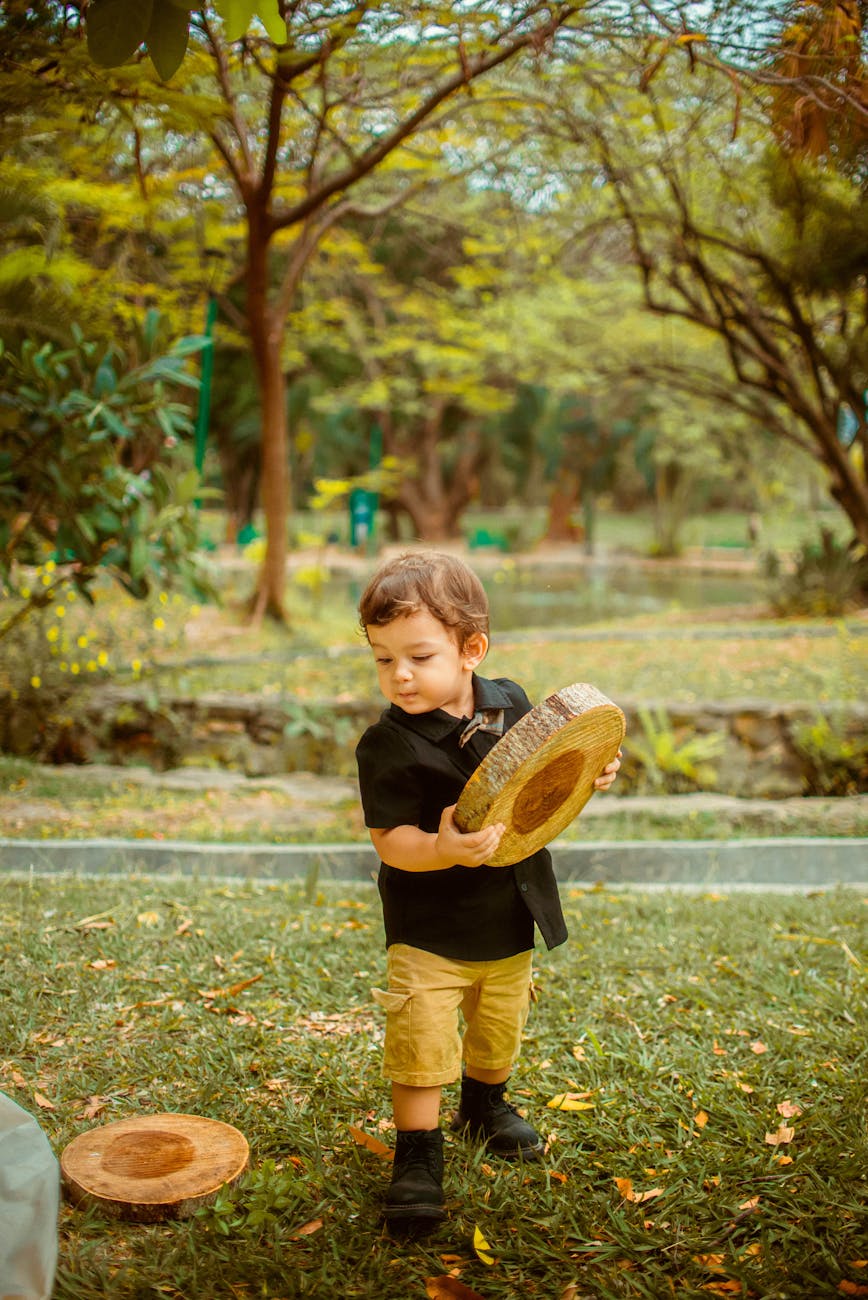
Psychomotor development refers to the set of motor, cognitive, emotional, and sensory acquisitions that enable a child to act with their body in space and adapt to their environment. This comprehensive process encompasses several fundamental stages:
- Gross motor skills: These include large body movements, such as lifting the head, rolling over, crawling, sitting, crawling on all fours, standing up using a « knight’s move, » and finally walking independently.
- Postural control and balance: The child learns to stabilize their body, first in a seated position, then standing, and eventually walking without support. Later, they acquire more complex skills like running, jumping, climbing, or pedaling.
- Hand-eye coordination: This ability allows the child to coordinate manual movements with what they see. It is crucial for activities such as throwing and catching a ball, writing, drawing, or playing construction games.
- Lateralization: Gradually, the child develops a preference for using one side of their body (hand, foot, eye). This lateralization is important for precision and coordination in movements.
- Fine motor skills: The child begins by grasping objects with their palm, then passes them from one hand to the other. Later, they acquire the « pincer grasp » (thumb and index finger) to manipulate small objects, draw, write, cut, or even dress themselves.
- Cognitive and emotional development: Alongside motor skills, the child develops mental functions such as memory, attention, the ability to plan and solve problems. They also learn to regulate their emotions and interact with others, gradually integrating social rules.
- Sensory development: From birth, the senses (sight, touch, hearing, etc.) are stimulated. The child learns to coordinate and adjust their movements with their perceptions and sensations.
Psychomotor development is not limited to motor skills. It also reflects the interaction between the body and the mind. Every child progresses at their own pace (cf. La lenteur), and it is essential to respect this variability while remaining attentive to any delays that may require special support.
The role of the psychomotor therapist is precisely to assist children facing difficulties and to promote harmonious development. This support is provided through games, physical activities, and adapted exercises, allowing the child to progress while having fun.
Marion Bonvarlet
LIVE PSYCHOMOT
Articles sur le développement psychomoteur
 LIVE PSYCHOMOT