Certains enfants sont pris dans un tourbillon cognitif et/ou moteur, ce qui les empêche de s’arrêter pour écouter une consigne, respecter les tours de parole ou faire une pause dans une activité. Les panneaux STOP & GO sont des outils visuels simples et efficaces qui les aident à mieux structurer leur attention et leurs actions.
Le panneau STOP invite l’enfant à faire une pause, se recentrer et écouter la consigne. Une fois celle-ci comprise et reformulée, le panneau GO lui permet de passer à l’action de manière plus posée et réfléchie. Ce support est particulièrement utile pour les enfants ayant un TDAH, une agitation motrice ou des difficultés attentionnelles, mais aussi pour ceux qui ont simplement besoin d’un repère clair pour suivre les consignes du quotidien (se préparer, ranger, attendre son tour…) sans qu’on ait à les répéter plusieurs fois. Les panneaux apportent un soutien visuel qui renforce et ancre davantage l’information auditive.
Récemment, j’ai proposé cet outil à une famille qui souhaitait améliorer les échanges durant les repas. Chaque enfant a fabriqué ses propres panneaux, ce qui a rendu l’outil plus engageant et favorisé leur investissement. Lors du dîner, le panneau GO permet à chacun de raconter sa journée, tandis que le panneau STOP rappelle l’importance d’écouter l’autre. Une fois l’histoire terminée, le panneau GO est systématiquement redonné aux enfants pour qu’ils puissent réagir, afin d’éviter les frustrations.
L’essentiel est d’introduire cet outil progressivement, dans un moment précis du quotidien, avant de l’étendre à d’autres situations. Cela permet aux enfants comme aux parents de s’y habituer et de l’intégrer durablement.
Margaux Gaudin
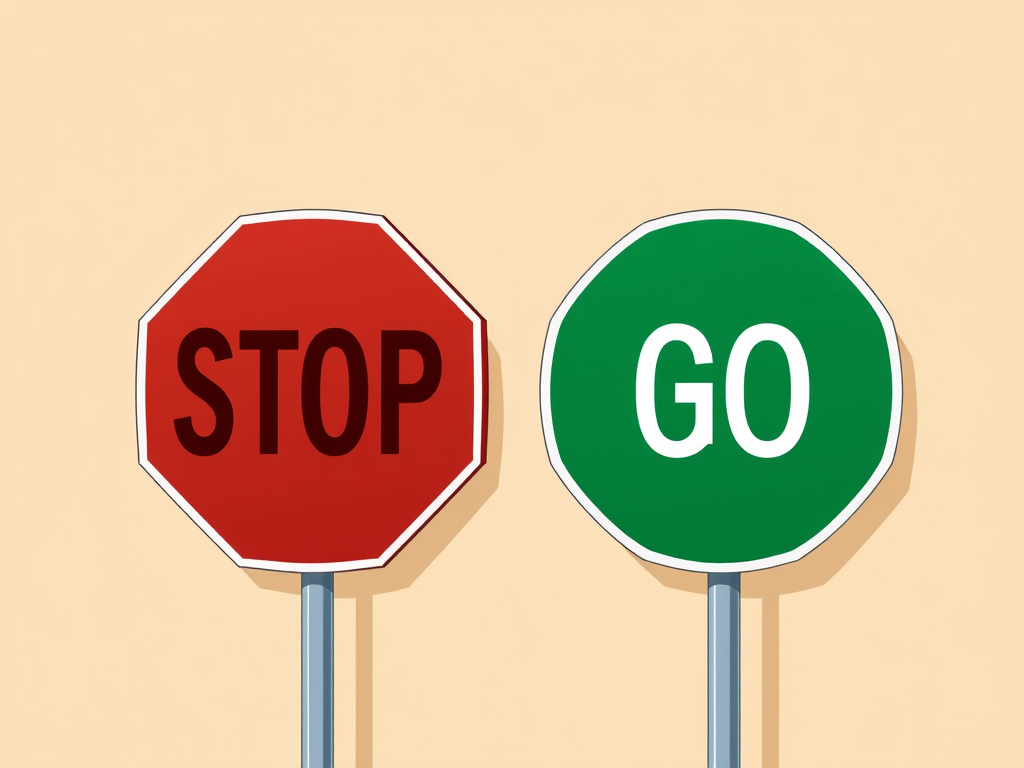
Some children are caught in a cognitive and/or motor whirlwind, which prevents them from pausing to listen to instructions, respecting turn-taking, or taking breaks during an activity. STOP & GO signs are simple and effective visual tools that help them better structure their attention and actions.
The STOP sign invites the child to pause, refocus, and listen to the instruction. Once the instruction is understood and reformulated, the GO sign allows the child to proceed in a calmer and more thoughtful manner. This tool is particularly helpful for children with ADHD, motor restlessness, or attention difficulties, but also for those who simply need a clear visual cue to follow daily instructions (getting ready, tidying up, waiting their turn…) without having to be reminded several times. The signs provide visual support that reinforces and anchors auditory information.
Recently, I introduced this tool to a family that wanted to improve communication during meals. Each child created their own signs, which made the tool more engaging and encouraged their involvement. During dinner, the GO sign allows each child to share about their day, while the STOP sign reminds them of the importance of listening to others. Once the story is finished, the GO sign is systematically given back to the children so they can respond, helping to avoid frustration.
The key is to introduce this tool gradually, in a specific moment of the daily routine, before extending it to other situations. This helps both children and parents get used to it and integrate it sustainably.
Margaux Gaudin
LIVE PSYCHOMOT
Articles sur le développement psychomoteur
 LIVE PSYCHOMOT