Préparer son cartable le soir pour le lendemain semble être un geste simple, presque machinal pour nous, adultes. Pourtant, pour un enfant, cette tâche représente un véritable marathon mental qui sollicite les fonctions exécutives : il faut planifier, s’organiser dans l’espace, trier les informations et anticiper le jour suivant. C’est un apprentissage complexe qui s’inscrit pleinement dans le développement de son autonomie.
Chaque enfant avance à son rythme, et il est tout à fait normal que certains s’y mettent spontanément tandis que d’autres s’éparpillent, oublient la moitié de leurs affaires ou se laissent envahir par la frustration. Parfois, la difficulté réside simplement dans la manipulation physique du sac : comment glisser un grand cahier souple sans abîmer les pages, ou comment répartir le poids pour ne pas basculer en arrière ? Une astuce toute simple consiste à ranger les grands cahiers ensemble au fond, contre le dos, et à placer la trousse à l’avant pour éviter un inconfort. D’autres fois, le défi est plus abstrait, comme réussir à penser aux éléments variables de la semaine : le pique-nique du mardi, ou la tenue de sport du jeudi. Un planning avec des pictos symbolisant les éléments inhabituels à ne pas oublier est souvent la solution.
Pour transformer ce moment souvent source de tensions en un rituel serein, la clé est de rendre l’invisible visible. Le langage verbal est une consigne volatile qui s’envole aussitôt prononcée, obligeant le parent à répéter sans cesse. À l’inverse, l’image reste. Créer un support visuel adapté devient alors une aide précieuse. Pour les plus jeunes, on peut imaginer un panneau avec des photos des vrais objets de l’enfant scratchés dans l’ordre du rangement. Pour les plus grands, une simple liste à cocher plastifiée, ou un code couleur liant l’emploi du temps aux matières, suffira. L’essentiel est d’adapter cet outil aux capacités de manipulation et de compréhension de l’enfant, en veillant à ce qu’il reste ludique et gratifiant.
Cependant, donner un outil visuel ne suffit pas pour que l’autonomie s’installe par magie. C’est là que votre rôle de guide prend tout son sens, à travers un accompagnement progressif que l’on appelle l’étayage. Au début, vous faites ensemble : vous montrez le geste, vous lisez le support visuel avec lui. Puis, petit à petit, vous reculez d’un pas. On cherche à éviter au maximum la guidance verbale, ce fameux « Prends ton cahier rouge, mets-le là », car l’enfant s’habitue à exécuter un ordre plutôt qu’à réfléchir. On privilégie alors une guidance gestuelle ou visuelle, comme pointer du doigt le support pour que l’enfant trouve lui-même l’étape suivante.
L’objectif final est d’estomper progressivement votre présence pour laisser place à sa propre initiative. Célébrez ses petites victoires, acceptez que le cartable ne soit pas parfaitement rangé selon vos critères d’adulte, et laissez-le ressentir la fierté d’avoir fait seul. En transformant cette corvée en un espace d’expérimentation bienveillant, vous n’organisez pas seulement un sac d’école, vous renforcez la confiance de votre enfant.
Margaux Gaudin
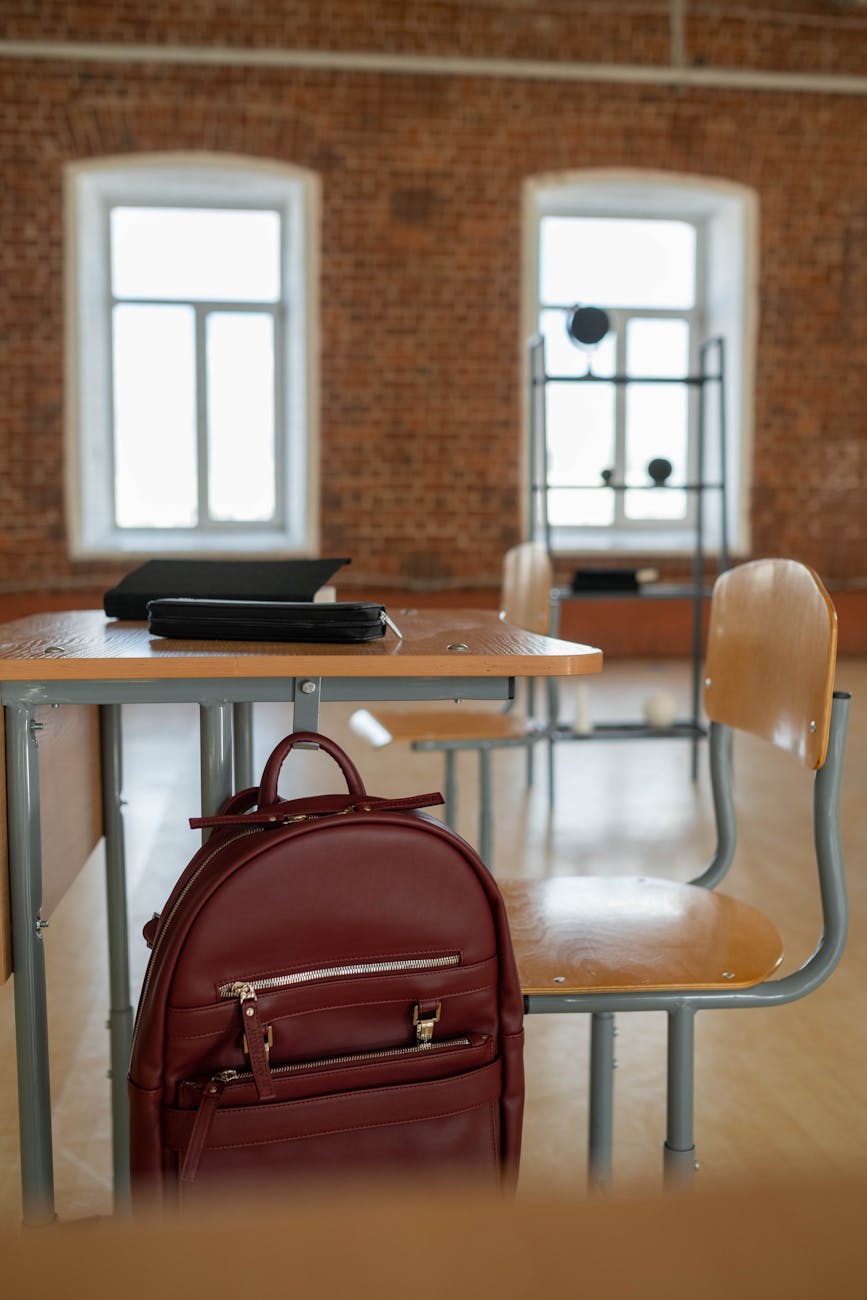
Preparing a school bag the night before may seem like a simple, almost automatic task for adults. Yet for a child, this task represents a real mental marathon that engages executive functions: they must plan, organize space, sort information, and anticipate the next day. It is a complex learning process that is fully part of developing autonomy.
Each child progresses at their own pace, and it is completely normal for some to do it spontaneously while others become scattered, forget half of their belongings, or get overwhelmed by frustration. Sometimes the difficulty is purely physical, such as figuring out how to fit a large soft notebook without damaging the pages, or how to distribute weight so the bag doesn’t tip backward. A very simple tip is to place the larger notebooks together at the back, against the child’s back, and to put the pencil case at the front to avoid discomfort. Other times, the challenge is more abstract, such as remembering the variable elements of the week: Tuesday’s packed lunch or Thursday’s sports kit. A schedule with pictograms representing the unusual items not to forget is often the solution.
To turn this often stressful moment into a calm routine, the key is to make the invisible visible. Verbal language is a fleeting instruction that disappears as soon as it is spoken, forcing parents to repeat it constantly. In contrast, images remain. Creating an appropriate visual support therefore becomes a valuable aid. For younger children, one can imagine a board with photos of the child’s actual items attached in the order they should be packed. For older children, a simple laminated checklist or a color code linking the timetable to school subjects will be enough. The key is to adapt the tool to the child’s level of understanding and ability to handle it, ensuring it remains playful and rewarding.
However, providing a visual tool is not enough for autonomy to develop magically. This is where the adult’s role as a guide becomes essential, through a gradual support process known as scaffolding. At the beginning, you do it together: you demonstrate the actions and go through the visual support with the child. Then, little by little, you step back. We aim to minimize verbal prompting, the famous “Take your red notebook, put it there,” because the child becomes used to following orders rather than thinking independently. Instead, we favor gestural or visual guidance, such as pointing at the support so the child can find the next step on their own.
The ultimate goal is to gradually fade out the adult’s presence to make room for the child’s own initiative. Celebrate small victories, accept that the school bag may not be perfectly organized by adult standards, and allow the child to feel the pride of doing it independently. By turning this chore into a supportive learning space, you are not just organizing a school bag—you are strengthening your child’s confidence.
Margaux Gaudin
LIVE PSYCHOMOT
Articles sur le développement psychomoteur

