Chez l’enfant, l’anxiété ne se manifeste pas toujours par des mots. Il n’est pas toujours capable de dire « je suis inquiet » ou d’identifier ce qu’il ressent. Son corps peut alors devenir un véritable moyen d’expression.
L’anxiété peut notamment se traduire par :
- des maux de ventre ou une sensation de « boule au ventre » ;
- des maux de tête ;
- des nausées ou des troubles digestifs ;
- des tensions musculaires, notamment au niveau des épaules, de la mâchoire ou des mains ;
- une agitation motrice, avec un besoin important de bouger ;
- une fatigue inhabituelle ;
- des difficultés d’endormissement ou des réveils nocturnes ;
- une respiration plus rapide ou superficielle ;
- des comportements répétitifs : se ronger les ongles, manipuler ses cheveux, se balancer… ;
- à l’inverse, un ralentissement, un retrait ou une inhibition.
Ces manifestations sont bien réelles. Une douleur doit toujours être prise au sérieux et, lorsqu’elle est répétée ou importante, faire l’objet d’un avis médical. Mais lorsque les symptômes apparaissent dans certaines situations — avant l’école, une séparation, une évaluation ou un changement — il peut être intéressant d’observer le lien avec l’anxiété.
Le regard du psychomotricien
En psychomotricité, nous nous intéressons particulièrement à la manière dont les émotions se manifestent dans le corps : tonus, posture, respiration, mouvements et sensations corporelles.
Un enfant anxieux peut, par exemple, se crisper sans en avoir conscience, bouger davantage ou au contraire se figer. L’objectif est alors de l’aider à repérer ses sensations corporelles et à mettre progressivement des mots dessus.
Quelques conseils aux parents
Observer les situations déclenchantes. Quand les symptômes apparaissent-ils ? Avant l’école, le soir, lors d’une séparation, face à une nouveauté ?
Questionner simplement le corps. Plutôt que « Pourquoi es-tu stressé ? », demander : « Où est-ce que tu le sens dans ton corps ? » ou « Ton ventre est plutôt serré ou détendu ? »
Ne pas minimiser. Même lorsque l’anxiété est impliquée, la sensation ressentie est réelle. Éviter « tu n’as rien » ou « c’est dans ta tête ».
Proposer des moyens de régulation. Respiration, mouvements, activité physique, étirements, relaxation ou temps calme peuvent aider l’enfant à faire redescendre la tension corporelle.
Mettre des mots sur ce qui se passe. « Je vois que ton corps est très tendu. Peut-être qu’il essaie de nous dire que quelque chose t’inquiète. »
Apprendre à un enfant à écouter son corps plutôt qu’à le subir constitue une première étape importante pour mieux comprendre et réguler ses émotions.
Le corps et les émotions communiquent en permanence : en psychomotricité, le corps peut devenir un point de départ pour aider l’enfant à mieux comprendre ce qu’il ressent.
Marion Bonvarlet
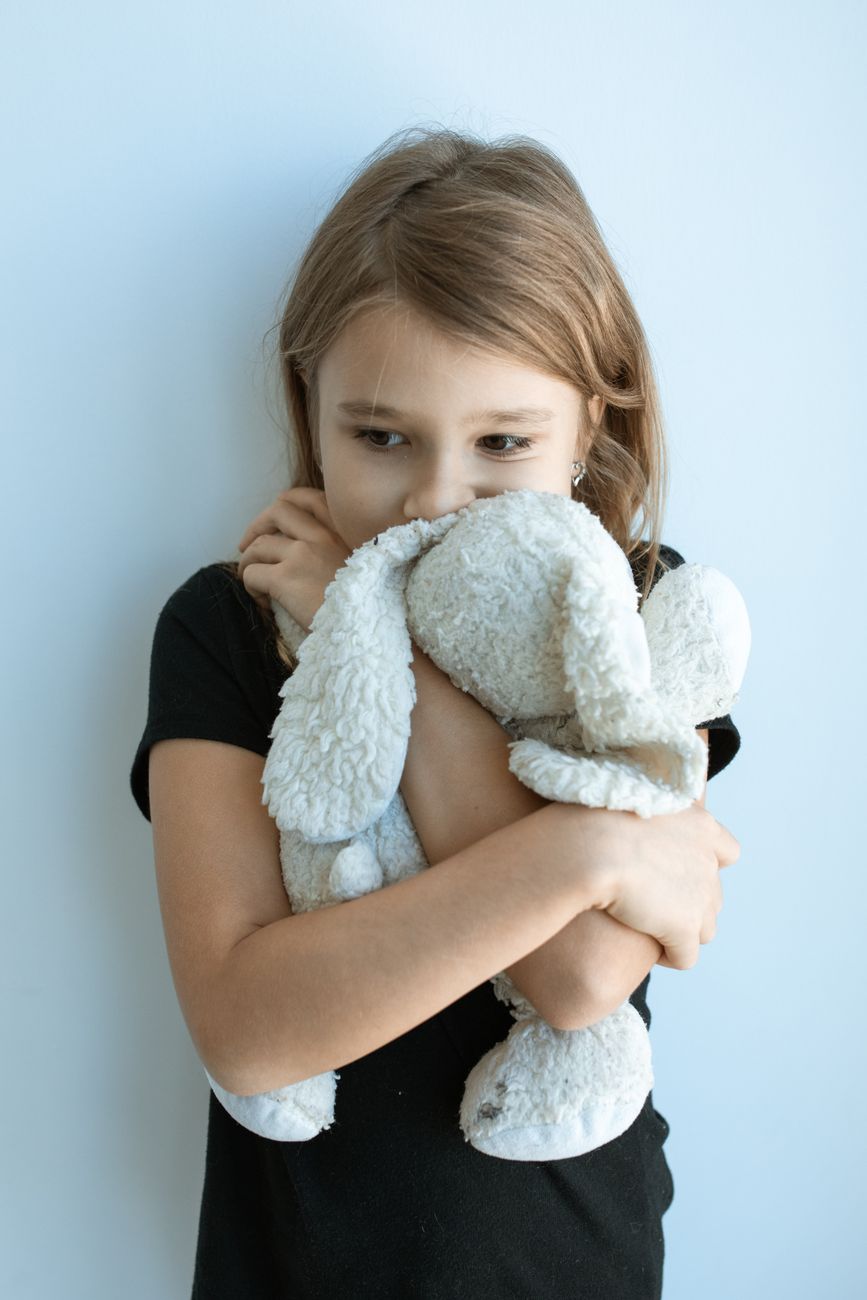
For children, anxiety does not always come out in words. They may not always be able to say “I’m worried” or identify what they are feeling. Their body can therefore become a way of expressing emotions.
Anxiety can show up as:
- stomach aches or a feeling of “butterflies” or tightness in the stomach;
- headaches;
- nausea or digestive problems;
- muscle tension, particularly in the shoulders, jaw or hands;
- restlessness or increased movement, with a strong need to move;
- unusual fatigue;
- difficulty falling asleep or waking during the night;
- faster or more shallow breathing;
- repetitive behaviours, such as nail biting, playing with their hair or rocking;
- conversely, slowing down, withdrawal or inhibition.
These symptoms are real. Physical pain should always be taken seriously and, when it is persistent or significant, discussed with a healthcare professional. However, when symptoms appear in specific situations — before school, separation from a parent, an assessment or a change in routine — it can be helpful to observe whether there may be a link with anxiety.
A psychomotor perspective
In psychomotor therapy, we pay particular attention to the way emotions are expressed through the body: muscle tone, posture, breathing, movement and bodily sensations.
An anxious child may, for example, become tense without being aware of it, move around more than usual, or, on the contrary, become still or “freeze”. The aim is to help the child notice their bodily sensations and gradually put words to them.
A few tips for parents
Observe potential triggers. When do the symptoms appear? Before school, in the evening, during separation, or when facing something new?
Ask simple questions about the body. Instead of asking “Why are you stressed?”, try: “Where do you feel it in your body?” or “Does your tummy feel tight or relaxed?”
Do not minimise what the child is experiencing. Even when anxiety is involved, the physical sensation is real. Try to avoid saying “There’s nothing wrong with you” or “It’s all in your head.”
Offer ways to regulate the body. Breathing exercises, movement, physical activity, stretching, relaxation or quiet time can help reduce physical tension.
Put words to what is happening. For example: “I can see that your body is very tense. Maybe it’s trying to tell us that something is worrying you.”
Teaching a child to listen to their body rather than simply endure what it is telling them can be an important first step towards understanding and regulating their emotions.
The body and emotions are constantly communicating with each other. In psychomotor therapy, the body can become a starting point to help children better understand what they are feeling.
Marion Bonvarlet
LIVE PSYCHOMOT
Articles sur le développement psychomoteur

